You need a full online shop only if you sell multiple products that customers should browse, choose and pay for themselves. If you sell a service, take bookings, or deal in a few items or custom jobs, you often just need a simple way to take payments or enquiries — not the complexity and cost of full ecommerce. Many businesses build an online shop they did not need, and others miss an easy payment option they did. The trick is matching the tool to how you actually sell.
Here is how to tell which you need.
What is the real difference?
A full online shop is built for browsing and self-service buying — product listings, a basket, checkout, stock, the lot. A simple payment or enquiry setup just lets a customer pay you or contact you for something specific, without a whole catalogue behind it. One is a self-service store; the other is a way to get paid or get enquiries for a smaller or more bespoke offer.
They solve different problems. Building the wrong one means either needless complexity or a missed opportunity.
When do you actually need a full online shop?
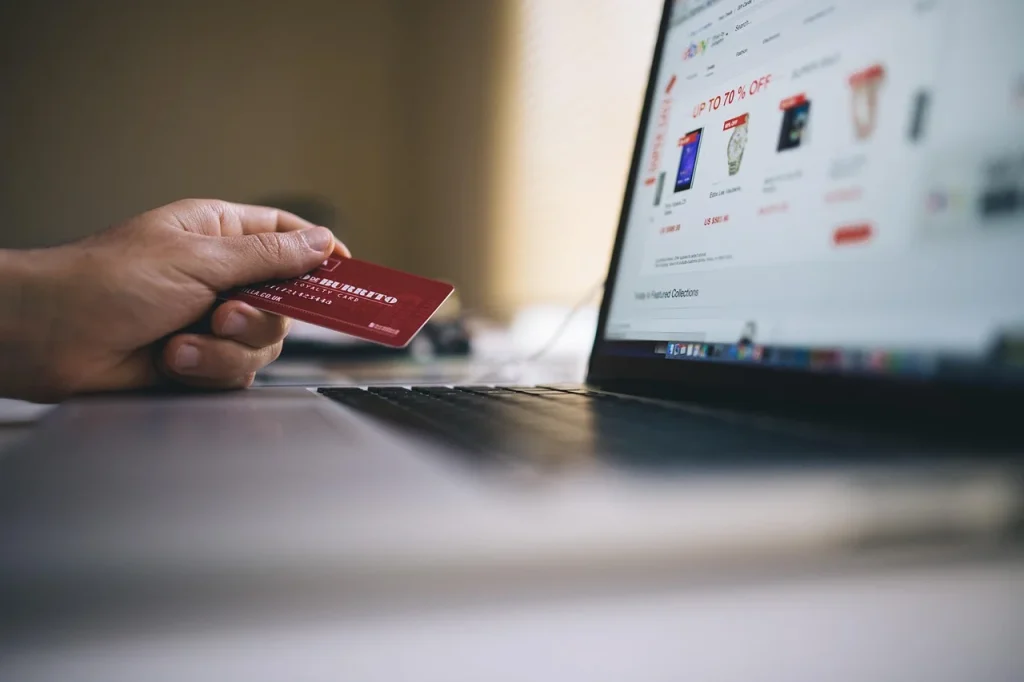
When you sell a range of products that customers genuinely want to browse and buy themselves, at any time, without talking to you first. A retailer with many items, a brand selling physical products, a business doing real volume online — these need proper ecommerce with listings, a basket and checkout. If self-service buying across many products is your model, a shop earns its complexity. Our ecommerce development service builds exactly this.
The key test is browsing and self-service across multiple products. If that is how customers should buy from you, you need a shop.
When is a simpler setup enough?
When you sell a service, take bookings, do custom or quoted work, or sell only a handful of things. In these cases a full shop is overkill — what you need is a clean way for customers to enquire, book, or pay for a specific thing. A simple payment link, a booking form or a custom enquiry flow does the job with far less cost and complexity. This is where custom forms and simple web tools often fit perfectly.
If every sale involves a conversation, a quote, or just a few options, you probably do not need a full shop.
Why does building the wrong one cost you?
A full shop you do not need is more expensive to build, more complex to run, and more to maintain — with features you never use cluttering the experience. Missing a simple payment option when you needed one means losing easy sales to friction. Matching the tool to how you sell saves money and makes buying easier for your customers, which is the whole point.
The goal is the simplest setup that lets customers pay or enquire easily — no more, no less.
How do you decide?
Ask how customers should actually buy from you. Many products, browsed and bought self-service? A shop. A service, bookings, custom jobs, or a few items? A simpler payment or enquiry setup. Start from your real selling model, not from what sounds impressive, and build only what that model needs.
If you are unsure which fits, our team can advise — our ecommerce and web design services cover both ends, from a full shop to a simple, effective way to take payments.